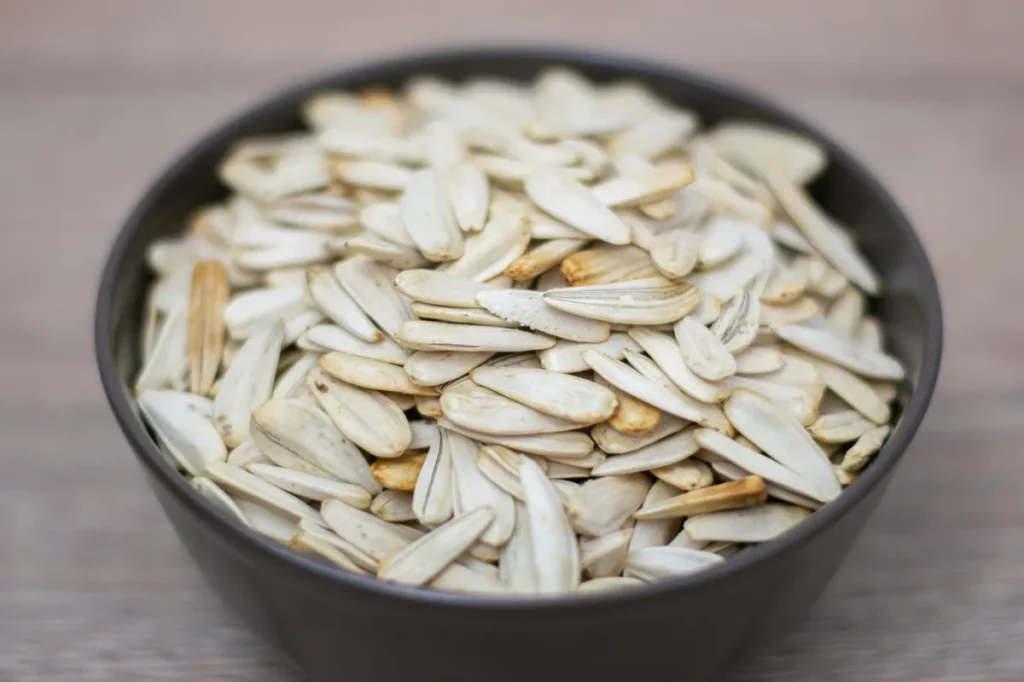
Saw palmetto and pumpkin seed are the two names you see on almost every prostate bottle, and the two most men try first. I tried saw palmetto first, on its own, from the drugstore. I wish someone had shown me this comparison before I did.
So here it is, side by side, with the studies linked so you can check me. I am not a doctor. I am a retired engineer who went looking for the numbers behind the labels.
Neither one wins on its own. Saw palmetto alone did no better than placebo in the largest trials, and pumpkin seed has one promising year long trial. That is why the better prostate formulas combine both with plant sterols and pygeum, the ingredients with their own positive reviews, instead of betting everything on one.
Saw palmetto vs pumpkin seed for prostate: side by side
| Saw palmetto | Pumpkin seed | |
|---|---|---|
| Best evidence | Large trials and reviews | One large, year long trial |
| Result for urinary symptoms | Alone, little or no benefit over placebo | Modest benefit in one year long trial |
| Amount used in the studies | 320 to 960 mg of extract a day | 5 grams of whole seed, twice a day |
| Side effects reported | Mild, infrequent: stomach upset, dizziness, headache | Well tolerated in the trial |
The details behind each line are below.
Does saw palmetto work for prostate issues?
On its own, the best research says probably not, at least for urinary symptoms. That was hard for me to accept, because saw palmetto is the name everybody knows.
The evidence is consistent. A 2012 Cochrane review found it did not improve urine flow or prostate size, even at double and triple doses. A 2011 trial in JAMA raised the dose from 320 mg a day up to 960 mg over 72 weeks and found no more benefit than placebo. And the National Center for Complementary and Integrative Health sums up a 2023 review of 27 studies: saw palmetto given alone provides little or no benefit for prostate symptoms.
Two things worth knowing on the other side. The NCCIH notes that saw palmetto inside a combination of herbs is still an open question, so it is not a reason to rule out a formula that includes it. And it says saw palmetto is well tolerated, with mild and infrequent side effects, and does not appear to affect PSA readings.
Pumpkin seed for prostate: what the year long trial found
The main study here is the GRANU trial from Germany: more than 1,400 men aged 50 to 80, followed for a full year. That length is what makes it worth reading.
Men taking whole pumpkin seed, 5 grams twice a day, had a clinically relevant drop in their symptom scores compared with placebo. An extract version tested in the same trial did not separate from placebo, which tells you form and amount matter.
So the lesson is not “buy pumpkin seed”. It is that one ingredient, in one form, is a thin thing to bet on. Pumpkin seed oil on its own has even less research behind it. The authors themselves said their findings need a second study.
And eating 10 grams of seeds every single day for a year is harder than it sounds. That is one more reason most men end up with one daily capsule that covers several ingredients at once.
Is pumpkin seed oil better than saw palmetto?
Nobody has tested them head to head. What you can say is that saw palmetto alone has been tested a lot and come up short, pumpkin seed has one promising trial, and pumpkin seed oil specifically has less behind it than either.
Which is why I do not think “one or the other” is the right question. Each ingredient on its own has a limited record. The more useful question is what they look like together, which brings me to the next one.
Can you take saw palmetto and pumpkin seed together?
Yes. Many men do, and most serious prostate formulas include both, alongside plant sterols, pygeum and nettle. That is the approach I ended up with too.
The sensible rules are the same as for any supplement. Check with your doctor first if you take blood thinners, blood pressure medicine or anything for your prostate, because the NCCIH notes that some herbs and medicines interact. Do not stack two prostate formulas on top of each other. And give whatever you choose two to three months before you judge it.
If you want a formula, the ingredients with the better evidence are not saw palmetto. I walk through plant sterols and pygeum, which have their own reviews, in do prostate supplements work. The one I take combines several of them, and I wrote it up honestly, complaints included, in my ProstaFense review.
Saw palmetto vs pumpkin seed oil: what to take from Reddit
“Saw palmetto vs pumpkin seed oil reddit” is one of the most searched versions of this question. If you read those threads, notice how many of them are actually about hair loss, not the prostate. Both are sold for hair too, and a lot of the strongest opinions come from that crowd. Advice about a receding hairline does not tell you anything about getting up at night.
For the prostate threads, ask the same questions I ask about any supplement post: what exactly did he take (seeds, oil or a capsule), for how long, and did he come back to say how it ended?
What I would do
Get checked first, so you know what you are dealing with. Then skip the bottle that is only saw palmetto, and skip the single ingredient bottles in general. Pick one daily formula that combines pumpkin seed with plant sterols and pygeum, and buy it with a guarantee long enough to cover a real trial of 60 to 90 days.
That is exactly why I chose ProstaFense: saw palmetto, pumpkin seed, plant sterols, pygeum and nettle in one capsule, with a 60 day money back guarantee that covers the whole trial. Read what I found about ProstaFense before I ordered it.
And keep a log of your nights before and during. Without it, you will not know whether anything worked. I explain how in how to stop waking up to pee at night.
Frequently asked questions
Pumpkin seed oil vs saw palmetto: which is better for the prostate? Pumpkin seed has the better evidence of the two: in a year long trial it modestly improved symptoms, while saw palmetto alone showed little or no benefit. Neither should be your only ingredient, which is why the better formulas combine them with plant sterols and pygeum.
Does saw palmetto work for prostate health? Taken alone, the best research says probably not for urinary symptoms. A 2023 review of 27 studies found little or no benefit. Whether it helps as part of a combination is still unknown.
Does pumpkin seed oil work for the prostate? The main trial tested whole seed, not oil, and found a modest benefit. Pumpkin seed oil on its own has less research behind it, which is why it usually appears as one ingredient among several in prostate formulas.
What pumpkin seed dosage was used in the prostate study? The GRANU trial used 5 grams of whole seed twice a day for a year. That is what was studied, not a recommendation. Supplements use their own amounts, so follow the label and ask your doctor.
Can you take saw palmetto and pumpkin seed oil together? Yes, and most prostate formulas already combine them with other ingredients such as plant sterols and pygeum. Check with your doctor first if you take other medicines, since some herbs and medicines interact.
What are the side effects of saw palmetto? According to the NCCIH, side effects are mild and infrequent and can include stomach upset, dizziness and headache. It does not appear to affect PSA readings.
Keep reading
- Do prostate supplements work? What the studies actually say
- ProstaFense reviews and complaints: what I found before I ordered
- Weak urine stream in men: what it means, causes and treatment
- How to stop waking up to pee at night: a man’s guide
Dale Prescott is a retired structural engineer in Fort Collins, Colorado. He is not a medical professional, and nothing on this page is medical advice. Dietary supplements have not been evaluated by the Food and Drug Administration and are not intended to diagnose, treat, cure or prevent any disease. Some pages on this site contain affiliate links, which means The Night Flow Report may earn a commission if you buy through them, at no extra cost to you.